Designing With, Not For: Inclusive Methodologies for Co-designing With People With Diverse Abilities

October 21st | Porto | Virtual
About the Workshop
Designing accessible technologies and services plays a vital role in facilitating social and civic inclusion for people with diverse abilities; yet inclusion is equally vital to creating them. The methods through which research and design are conducted should themselves be inclusive, so that people with diverse abilities can participate as co-designers and co-owners of the work. Nevertheless, researchers working across ability-diverse populations often find themselves without a clear starting point. Existing guidelines are scarce and often difficult to adapt to specific contexts and communities. Translating resources into practice requires tailored vocabularies and procedures that are rarely documented or shared. Our workshop brings together researchers and practitioners working with people with diverse abilities to begin mapping the landscape of inclusive methodological approaches. Our goal is to surface what people are already doing including adaptations, workarounds, and community-specific practices that rarely make it into publications. The outcome will be a shared resource that includes case studies and approaches that can be used as inspirational starting points that researchers can adapt to their own contexts and communities.
Date: October 21st, 2026
Format: Virtual
Length: 4 hours
- First block: 8:00 – 10:00 (UTC)
- Second block: 14:00 – 16:00 (UTC)
Workshop Themes
Theme 1: Theories
A growing body of theoretical work informs how researchers think about inclusive design with people with diverse abilities. These theories are often grounded in fundamental assumptions which may map differently onto shared core terminology. Moreover, differences in how frameworks are interpreted lead to inconsistencies in their application; theories developed in one context do not always translate to another, and researchers working with different populations (e.g., older adults, people with cognitive impairments, autistic individuals, those with diverse communication needs) often find themselves adapting, combining, or departing from existing frameworks in ways that are rarely made explicit.
This theme invites participants to reflect on the theoretical foundations that inform their work. We also invite discussion on the terms which anchor these theories to establish a common vocabulary both for the purposes of this session and to guide future work.
Theme 2: Practice
Even when researchers are guided by strong theoretical commitments, translating inclusive values into practice remains genuinely difficult and might look very different in reality. Beyond academic publications, there is a broader lack of shared knowledge about how to work with ability-diverse communities, and ad-hoc adjustments — to materials, language, activities, and relationships — are rarely documented in ways that others can learn from.
This theme focuses on what inclusive methodological practice actually looks like on the ground; how researchers structure their processes, how they adapt when things do not go as planned, and how they navigate the tensions between inclusive ideals and the constraints of real research contexts. We are particularly interested in the gap between what is labelled participatory or co-design and what genuinely inclusive collaboration looks like in practice, and in the strategies researchers have developed to close that gap, whether through adapted facilitation techniques, accessible materials, community-embedded approaches, or sustained long-term engagement with participants.
Theme 3: Outcomes
Research with ability-diverse communities produces a wide range of outcomes that extend well beyond the academic publications through which they are typically shared. Design artefacts, toolkits, training materials, community resources, and relationships built over time are all products of this work, yet they are rarely recognised or valued within conventional research dissemination frameworks.
This theme opens up questions around how outcomes are defined, shared, and attributed in inclusive research. Alternative research outcomes offer one response to this, acknowledging the diverse forms that research contributions can take. Alongside this, questions of co-ownership and authorship are increasingly pressing. When communities and participants contribute substantively to the design and direction of research, what does it mean to share credit equitably? We invite participants to reflect on how they currently document and disseminate their work, what has been lost or left behind in that process, and how the field might develop more inclusive and representative ways of recognising the full range of contributions that research with ability-diverse communities produces.
Call for Participation
We invite researchers, designers, and practitioners to join the workshop Designing With, Not For: Inclusive Methodologies for Co-designing With People With Diverse Abilities at ASSETS 2026 with the goal of mapping the landscape of inclusive methodological practices. We welcome participation from a range of backgrounds and career stages — including early-career and experienced researchers, educators, practitioners, and community advocates — who are engaged in or curious about
designing with people with diverse abilities, including older adults, people with disabilities, neurodivergent individuals, and those with diverse communication styles and needs.
Submission Guidelines
We invite participants to submit a position paper (2-4 pages) reflecting on their own experience with inclusive methodological approaches. Submissions might address questions such as:
- What theoretical frameworks guide your work, and where
have they fallen short? - What does inclusive participation look like in your research
context, and how does it differ from what gets published? - How do you document, share, and attribute the outcomes of
research conducted with ability-diverse communities?
We also welcome critical reflections, accounts of work in progress, and descriptions of approaches that did not go as planned. Contributions that surface tacit knowledge are particularly valuable to the goals of this workshop.
To reduce barriers to participation, we welcome alternative submission formats, including pictorials, short videos, or visual reflections, as long as they address the workshop themes.
At least one author of each accepted submission should attend the workshop, either in person or online. All participants must register for at least one day of the ASSETS conference. Submissions will be published on an open access repository such as Zenodo. We are flexible with format but if they wish authors can use the ACM template: a single-columnWord Submission Template and single-column LaTeX (using “manuscript” style available in the template). You may also choose to use Overleaf.
Submission Deadline (EXTENDED): August 25, 2026
Notification Deadline: August 26th
(For submissions made by August 18th, acceptance will be announced on August 20th)
Submissions may be sent to Sophia Ppali and Laurence Myers at the following email addresses: S.Ppali@tudelft.nl and L.Myers@tudelft.nl
Registration Requirements: Please note that registration for the ASSETS 2026 conference is required to attend this workshop. The workshop registration is available as an add-on to your conference registration.
Conference Registration Deadlines:
- Early bird deadline: August 27, 2026
- Regular deadline: October 24, 2026
- Late/on-site registration: After October 24, 2026
Further Conference registration details may be found here.
Organizers

Delft University of Technology
Netherlands

Simon Fraser University
Canada
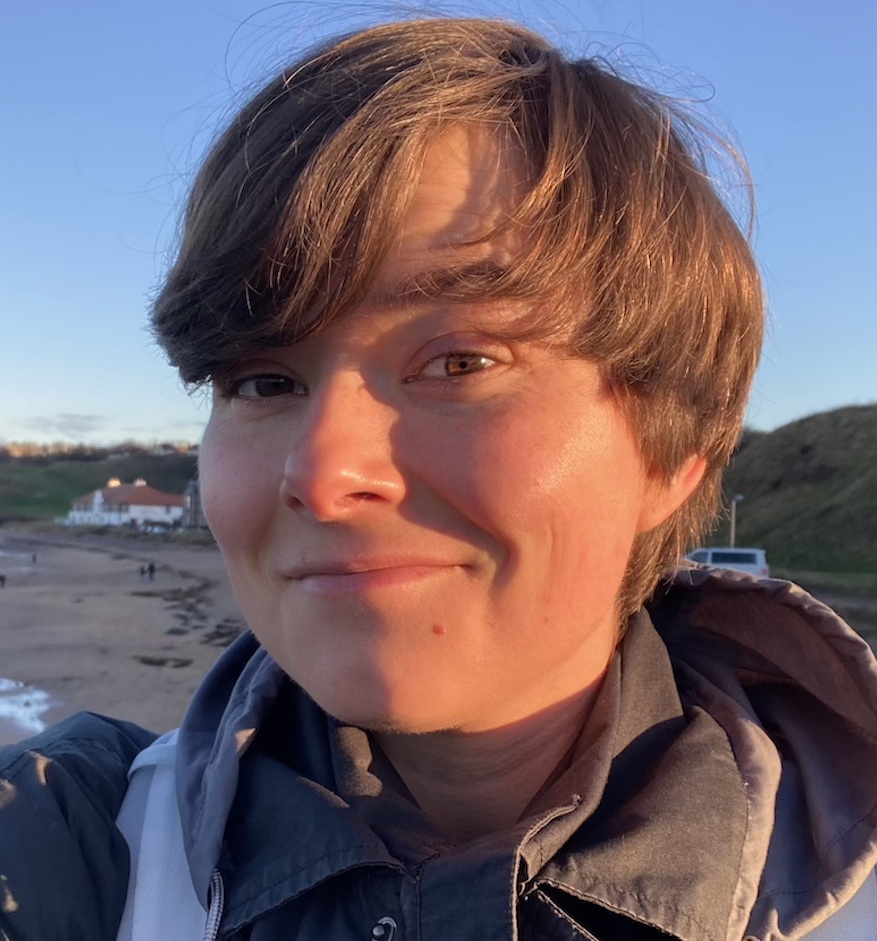
Delft University of Technology
Netherlands
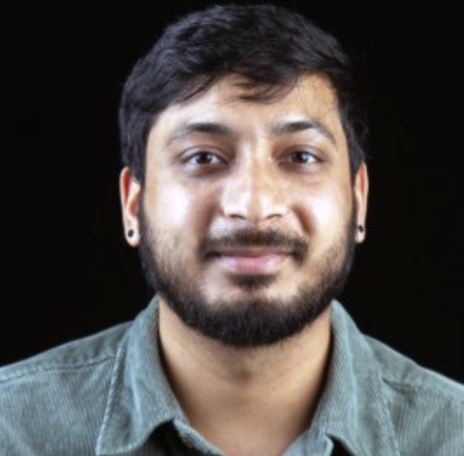
Centrum Wiskunde & Informatica Netherlands
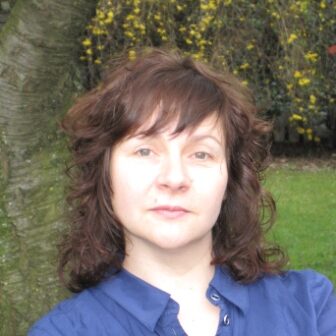
TU Eindhoven
Netherlands
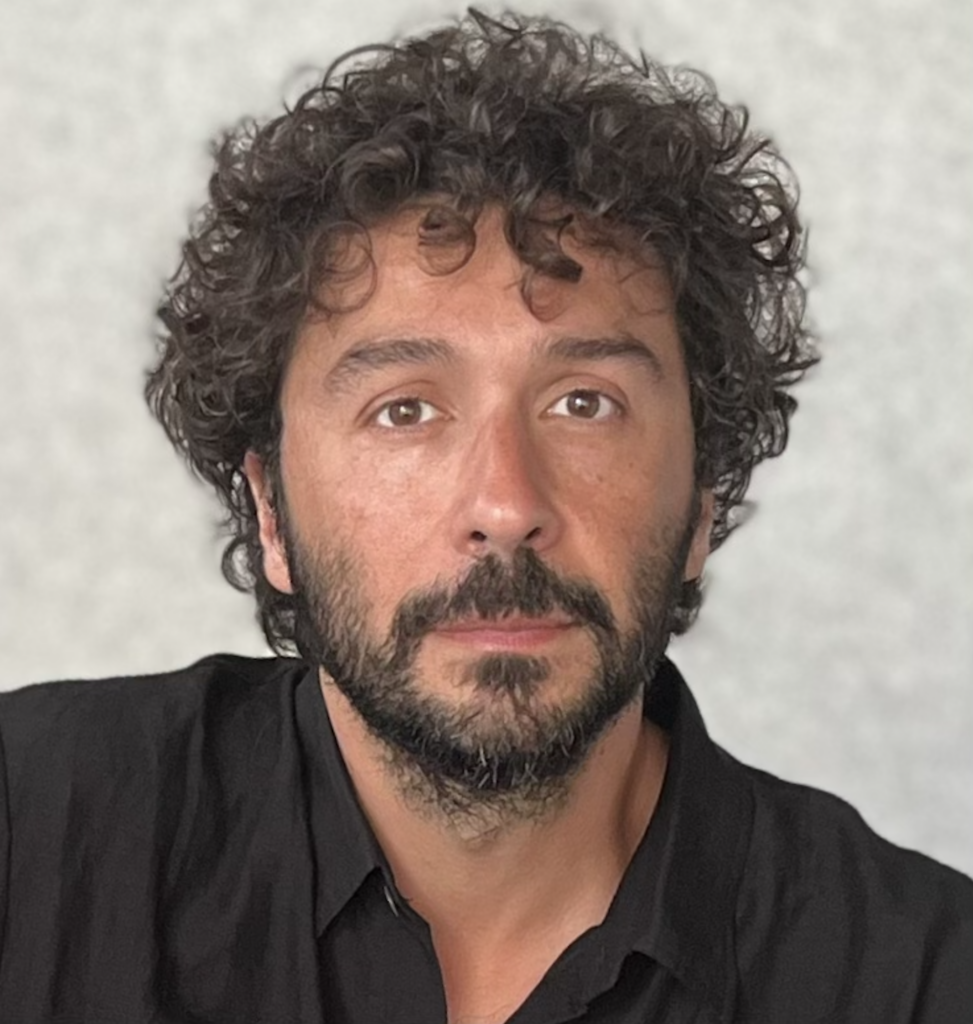
University of Amsterdam
Netherlands

University of Amsterdam
Netherlands
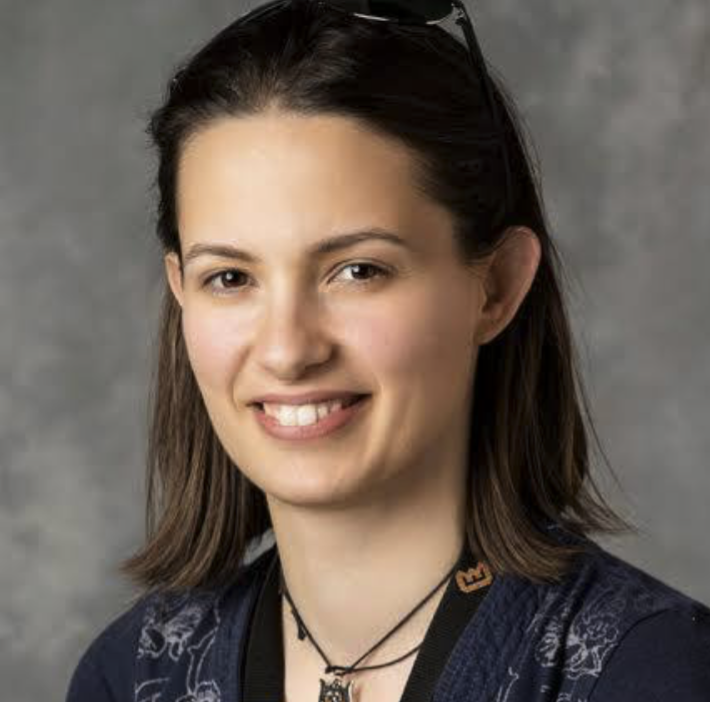
University of Dusiburg Essen
Germany
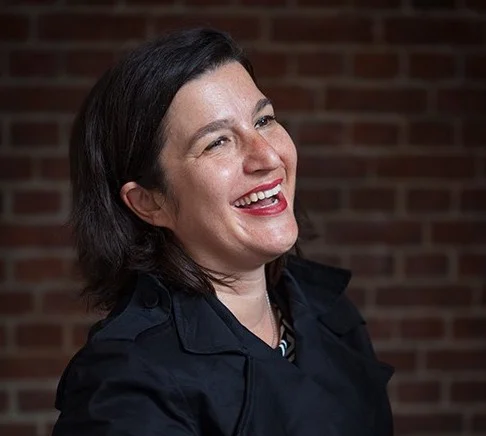
Technical University of Denmark
Copenhagen
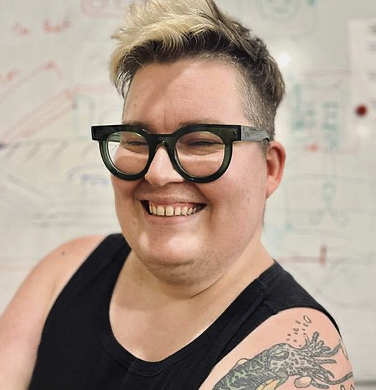
TU Wien
Austria
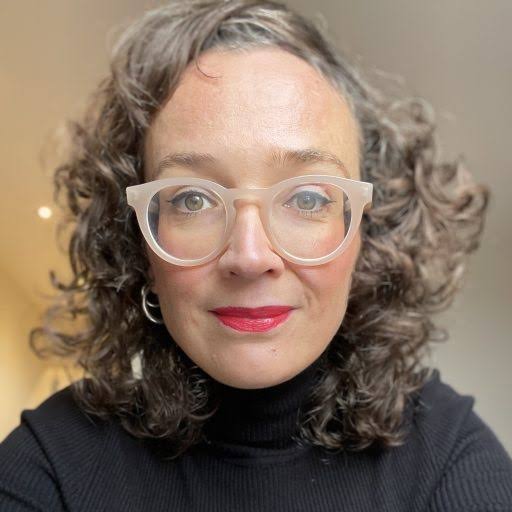
University of Applied Sciences HU, Utrecht
Netherlands
Delft University of Technology
Netherlands
Delft University of Technology
Netherlands

Delft University of Technology
Netherlands