Inclusive Technologies for Access & Social Participation

We design inclusive AI and immersive technologies that remove digital barriers, support accessibility compliance, and strengthen social participation.

Accessibility cases

We provide real-world cases that reflect everyday accessibility challenges and support the co-design of inclusive digital technologies.

AC1

Public health information

Improving access to public health and educational content for people with visual impairments, we develop AI-based tools for image description and text simplification to support inclusive publishing workflows.

KB National Library of the Netherlands
Stichting Accessibility
Visio
Envision
TKH AI Technology
KickstartAI
TU Delft
AC2

Remote video-mediated sign language interpretation

Improving access to remote language interpreting for deaf and hard-of-hearing people, this work develops an AR-enabled service for real-time interpreting in critical situations.

Berengroep
Nederlands Gebarencentrum 
TKH AI Technology
KickstartAI
University of Amsterdam
Centrum Wiskunde & Informatica
HU University of Applied Sciences Utrecht
AC3

Mainstream educational resources

Focused on inclusive education, this work develops an adaptive AI companion to support comprehension and participation for children with developmental language disorders.

Royal Dutch Auris Group
TKH AI Technology
KickstartAI
Utrecht University
HU University of Applied Sciences Utrecht
AC4

Adaptive therapies

Responding to the need for accessible therapies at home, this work develops embodied agents to support adaptive therapeutic practices for children with Autism Spectrum Disorder.

SeysCentra
TKH AI Technology
KickstartAI
The Eindhoven University of Technology
AC5

Audio-visual heritage collections

Expanding access to audio-visual heritage for people with visual disabilities and deaf and hard-of-hearing people, this work develops AI-driven and object-based media techniques to enable adaptive, multimodal cultural experiences.

Netherlands Institute for Sound & Vision
TKH AI Technology
KickstartAI
Centrum Wiskunde & Informatica
TU Delft
AC1

Public health information

Improving access to public health and educational content for people with visual impairments, we develop AI-based tools for image description and text simplification to support inclusive publishing workflows.

KB National Library of the Netherlands
Stichting Accessibility
Visio
Envision
TKH AI Technology
KickstartAI
TU Delft
AC2

Remote video-mediated sign language interpretation

Improving access to remote language interpreting for deaf and hard-of-hearing people, this work develops an AR-enabled service for real-time interpreting in critical situations.

Berengroep
Nederlands Gebarencentrum 
TKH AI Technology
KickstartAI
University of Amsterdam
Centrum Wiskunde & Informatica
HU University of Applied Sciences Utrecht
AC3

Mainstream educational resources

Focused on inclusive education, this work develops an adaptive AI companion to support comprehension and participation for children with developmental language disorders.

Royal Dutch Auris Group
TKH AI Technology
KickstartAI
Utrecht University
HU University of Applied Sciences Utrecht
AC4

Adaptive therapies

Responding to the need for accessible therapies at home, this work develops embodied agents to support adaptive therapeutic practices for children with Autism Spectrum Disorder.

SeysCentra
TKH AI Technology
KickstartAI
The Eindhoven University of Technology
AC5

Audio-visual heritage collections

Expanding access to audio-visual heritage for people with visual disabilities and deaf and hard-of-hearing people, this work develops AI-driven and object-based media techniques to enable adaptive, multimodal cultural experiences.

Netherlands Institute for Sound & Vision
TKH AI Technology
KickstartAI
Centrum Wiskunde & Informatica
TU Delft
AC1

Public health information

Improving access to public health and educational content for people with visual impairments, we develop AI-based tools for image description and text simplification to support inclusive publishing workflows.

KB National Library of the Netherlands
Stichting Accessibility
Visio
Envision
TKH AI Technology
KickstartAI
TU Delft
AC2

Remote video-mediated sign language interpretation

Improving access to remote language interpreting for deaf and hard-of-hearing people, this work develops an AR-enabled service for real-time interpreting in critical situations.

Berengroep
Nederlands Gebarencentrum 
TKH AI Technology
KickstartAI
University of Amsterdam
Centrum Wiskunde & Informatica
HU University of Applied Sciences Utrecht
AC3

Mainstream educational resources

Focused on inclusive education, this work develops an adaptive AI companion to support comprehension and participation for children with developmental language disorders.

Royal Dutch Auris Group
TKH AI Technology
KickstartAI
Utrecht University
HU University of Applied Sciences Utrecht
AC4

Adaptive therapies

Responding to the need for accessible therapies at home, this work develops embodied agents to support adaptive therapeutic practices for children with Autism Spectrum Disorder.

SeysCentra
TKH AI Technology
KickstartAI
The Eindhoven University of Technology
AC5

Audio-visual heritage collections

Expanding access to audio-visual heritage for people with visual disabilities and deaf and hard-of-hearing people, this work develops AI-driven and object-based media techniques to enable adaptive, multimodal cultural experiences.

Netherlands Institute for Sound & Vision
TKH AI Technology
KickstartAI
Centrum Wiskunde & Informatica
TU Delft

Work packages

We bring users, researchers, and technologies together to address real-world accessibility challenges.

WP1

Accessibility Cases

Coordinates the 5 co-designed accessibility cases and their real-world validation and compliance

University of Amsterdam
WP2

Inclusive Co-Design

Develops inclusive co-design methods that enable people with disabilities to meaningfully shape design processes.

TU Delft
University of Amsterdam
WP3

AI Technologies and Adaptations

Develops human-centred AI tools for content conversion, personalisation, and presentation.

Utrecht University
The Eindhoven University of Technology
HU University of Applied Sciences Utrecht
TU Delft
WP4

Inclusive Media

Develops inclusive AR and immersive media technologies for multimodal interaction.

Centrum Wiskunde & Informatica
University of Amsterdam
HU University of Applied Sciences Utrecht
WP5

Outreach: Communication, Dissemination & Exploitation

Engages stakeholders and the public to support adoption and impact of project outcomes.

The Eindhoven University of Technology
Utrecht University
University of Amsterdam
Centrum Wiskunde & Informatica
HU University of Applied Sciences Utrecht
TU Delft
WP6

Project Management

Coordinates project governance, delivery, and long-term continuity.

TU Delft

Management

Steering Committee

The Steering Committee holds the ultimate responsibility for the TACIT project. Consisting of the Impact Officer, User Representatives, and Work Package leaders, this committee oversees all scientific endeavors and advises on the alignment of tasks across the project.

User Committee

The Users Committee consists of twenty experts from collaboration partners, ministries, and organizations closely aligned with the objectives of the accessibility cases. This group provides guidance on accessibility issues, scientific content, and outreach activities tailored to the target groups.

TU Delft

Translating inclusive research into digital systems

Across the Netherlands, one in four people lives with long-term visual, hearing, or cognitive impairments—barriers that too often lead to social inequality and exclusion. With the EU Accessibility Act (EAA) coming into effect in June 2025, all EU service providers will soon be required to make their products and services accessible. This landmark legislation has the potential to improve the lives of more than 135 million Europeans with disabilities. Yet many organizations remain unprepared, lacking the nuanced insights needed to design accessible, trustworthy, and socially accepted digital services.

TACIT aims to close this accessibility gap. We develop new AI and Immersive Media technologies using inclusive Human-Computer Interaction and design methodologies. Our mission is to improve the accessibility of public services, support EAA compliance, and accelerate innovation in assistive technologies.

TACIT brings together a rich, transdisciplinary consortium of intended users, researchers, knowledge organizations, and companies. Through five co-designed accessibility cases, we collaboratively explore and address the common barriers that hinder the adoption of inclusive technology.

Bringing people together around inclusive technology

Date

04.02.2026  – 04.02.2026

Event

TACIT Symposium 2026

Location

Delft, NL

Date

16.04.2026  – 16.04.2026

Event

CHI’26 Meetup

Location

Barcelona, ES

Turning research into transferable impact

Publication WP2

(Re-)Thinking Empathy’s Materiality in HCI

Abstract: The EmpathiCH workshop series has, over three iterations, unpacked how empathy is conceptualized, measured, and used in HCI, identifying both its potential benefits and notable pitfalls. Despite these discussions, the diverse roles of empathy in research and practice remain fragmented and under-theorized. This fourth iteration seeks to consolidate perspectives by situating empathy within a sociomaterial framework. We propose exploring three dimensions–technology, social practices, and context–that shape how empathy is conceptualized and applied. The workshop will combine an interactive, discussion-centric format enabling participants to share experiences, debate perspectives, and collaboratively analyze cases across these dimensions. Outcomes will contribute to co-developing a sociomaterial taxonomy for empathy in HCI, offering conceptual clarity and practical guidance for design. Participants will engage in critical dialogue, connect with peers, and contribute directly to shaping the future of empathy-centered approaches in HCI.

Publication AC1 AC2 AC3 AC4 AC5 WP1 WP2 WP3 WP4

Disability, Differences, and Diversity: Revisiting Inclusive Design and Access

Abstract: Over 1.3 billion people worldwide live with long-term disabilities, yet many still face systemic exclusion despite advances in accessibility policy and technology. New regulations such as the EU Accessibility Act demand comprehensive transitions, but compliance risks becoming a superficial “checklist” exercise rather than fostering meaningful inclusion. For the HCI community, this moment calls for rethinking our approaches to participation, technology, ethics, and policy. In this meetup, we bring together researchers, practitioners, and advocates to revisit inclusive design through four themes: rethinking inclusive methodologies, disentangling technological challenges, unpacking ethical implications, and navigating policy opportunities. Through interactive mapping activities, participants will share practices, identify collaboration opportunities, and co-develop future directions. Our goal is to build cross-disciplinary connections and create actionable approaches that move beyond compliance toward holistic inclusion, ensuring that accessibility remains central to HCI research and practice.
TACIT is made possible by a network of partners & researchers.

KB National Library of the Netherlands

Researcher

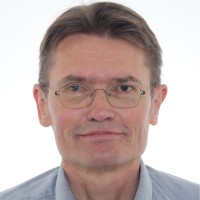
Ted van der Togt

Researcher at KB national library of the Netherlands, on the subject of accessibility of digital content. Ted is board member of European Digital Reading Lab and has extensive experience in web technology and e-books.

TU Delft
Professor

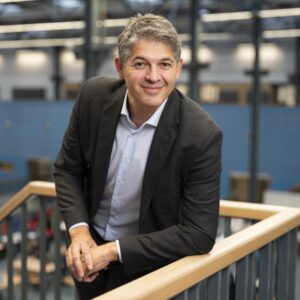
Alessandro Bozzon

Alessandro Bozzon is Professor of Human-Centered Artificial Intelligence with the Department of Sustainable Design Engineering of the Faculty of Industrial Design Engineering. He is a Fellow of the Netherlands Academy of Engineering, and co-director of the Future Libraries Lab, a collaboration with the Royal Library of The Netherlands. His research lies at the intersection of human-computer interaction, human computation, user modelling, and machine learning. He is interested in developing methods and tools that support the design, development, control, and operation of AI-enabled systems that are well-situated around actual human characteristics, values, intentions, and behaviours.

TU Delft
Centrum Wiskunde & Informatica
Assistant Professor

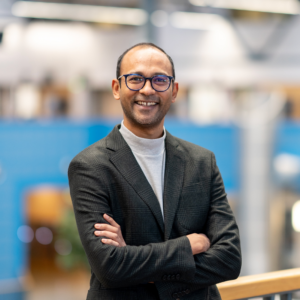
Himanshu Verma

Himanshu Verma is an Assistant Professor of Human-AI Collaboration at the Knowledge and Intelligence Design Group at TU Delft (Netherlands). In addition, he is an Affiliated (visiting) Researcher at the Distributed and Interactive Systems Group at the Centrum Wiskunde & Informatica in Amsterdam. His current research focuses on designing and evaluating inclusive, collaborative, and empathic mixed-initiative AI agents that can act as effective team members and enhance the performative and creative potential of humans and teams.

Utrecht University
HU University of Applied Sciences Utrecht
Professor

Ellen Gerrits

Research leader in speech and language therapy, focusing on communicative participation and applied research bridging academia and professional practice.

University of Amsterdam
Assistant Professor

Hamed Alavi

Researcher at the University of Amsterdam specialising in inclusive co-design and human-computer interaction methodologies.

Utrecht University
Assistant Professor

Marit Bentvelzen

Assistant Professor at Utrecht University focusing on reflective and human-centred uses of technology and their impact on well-being.

Utrecht University
PhD Candidate

Aleid Oonk

PhD candidate researching co-created AI solutions to support children with developmental language disorders, bridging psychology, technology, and design.

Utrecht University
Assistant Professor

Hanna Hauptmann

Assistant Professor at Utrecht University focusing on human-centred design of intelligent interactive health systems, including personalization and explainable AI.

TU Delft
Centrum Wiskunde & Informatica
PhD Candidate

Karthikeya Venkatraj

PhD candidate at CWI and TU Delft researching human-centred immersive technologies and digital accessibility interventions in XR environments.

TU Delft
Centrum Wiskunde & Informatica
Professor

Pablo Cesar

Professor and research leader at CWI and TU Delft, specialising in immersive media, distributed systems, and human-centred multimedia interaction.

The Eindhoven University of Technology
Associate Professor

Emilia Barakova

Professor at Eindhoven University of Technology specialising in human-computer interaction, embodied agents, and adaptive technologies for cognitive and social disabilities.

University of Amsterdam
Professor

Natali Helberger

Distinguished University Professor of Information Law and Digital Technology at the University of Amsterdam, focusing on AI, algorithmic decision systems, and their implications for democracy, law, and governance.

HU University of Applied Sciences Utrecht
Researcher

Maartje De Meulder

Deaf senior researcher at HU University of Applied Sciences Utrecht, working at the intersection of Deaf Studies, language policy, and social sciences, with a focus on sign language AI.

TU Delft
Assistant Professor

Jie Yang

Computer scientist at TU Delft developing adaptive, AI-driven technologies for people living with blindness and visual impairments, based on vision and language models.

University of Amsterdam
Professor

Floris Roelofsen

Professor at the University of Amsterdam and founding director of SignLab Amsterdam and the Language Sciences for Social Good research programme. Contributes to the co-design and co-creation of a remote sign language interpreting service using augmented reality.

TU Delft
Project manager

Grace Roelofs-Van Winden

Project manager at TU Delft, supporting coordination and management activities within TACIT.

KB National Library of the Netherlands
UX researcher

Kimberly Brinkhuis

Kimberly Brinkhuis is a UX researcher at the National Library of the Netherlands. She is an expert in co-creation and toolkits and works closely with disabled users on inclusive research and design practices.

Utrecht University
Centrum Wiskunde & Informatica
Assistant Professor

Abdallah El Ali

Abdallah El Ali is a research scientist at Centrum Wiskunde & Informatica, and part-time Assistant Professor at Utrecht University. He leads the research areas on Affective Interactive Systems and Trustworthy Human-AI Interaction, focusing on AI transparency and meaningful human augmentation.

Royal Dutch Auris Group
Industrial Designer

Wendy Voorn

“I am an industrial designer and innovation advisor at the Royal Auris Group. Within the TACIT project, I act as the organisational coordinator on behalf of Auris.

I strongly value the active involvement of end users in innovation processes. Together with our partners, I am committed to meaningfully engaging children with Developmental Language Disorder (DLD) throughout all phases of this project. By doing so, we aim to co-create an AI buddy that truly aligns with the wishes, needs, and capabilities of these students.”

SeysCentra

Bibi Huskens

SeysCentra is specialised in treating severe eating disorders (ARFID) and incontinence in children and teenagers. SeysCentra applies a multidisciplinary approach. All treatments are based on applied scientific research. This results in scientifically proven treatments methods and innovative impulses.

SeysCentra

Eric Dumont

SeysCentra is specialised in treating severe eating disorders (ARFID) and incontinence in children and teenagers. SeysCentra applies a multidisciplinary approach. All treatments are based on applied scientific research. This results in scientifically proven treatments methods and innovative impulses.

Stichting Accessibility
Accessibility Expert

Jolijn Jansen

Accessibility expert at Stichting Accessibility, working closely together with lived experience experts to conduct usability tests and advise organizations on accessible digital and physical design.

The Eindhoven University of Technology
PhD Candidate

Nina van Roij

PhD Candidate at Eindhoven University of Technology researching co-created robot and AI interventions for children with autism and food selectivity.

KB National Library of the Netherlands
Researcher

Ted van der Togt

Researcher at KB national library of the Netherlands, on the subject of accessibility of digital content. Ted is board member of European Digital Reading Lab and has extensive experience in web technology and e-books.

TU Delft
Professor

Alessandro Bozzon

Alessandro Bozzon is Professor of Human-Centered Artificial Intelligence with the Department of Sustainable Design Engineering of the Faculty of Industrial Design Engineering. He is a Fellow of the Netherlands Academy of Engineering, and co-director of the Future Libraries Lab, a collaboration with the Royal Library of The Netherlands. His research lies at the intersection of human-computer interaction, human computation, user modelling, and machine learning. He is interested in developing methods and tools that support the design, development, control, and operation of AI-enabled systems that are well-situated around actual human characteristics, values, intentions, and behaviours.

TU Delft
Centrum Wiskunde & Informatica
Assistant Professor

Himanshu Verma

Himanshu Verma is an Assistant Professor of Human-AI Collaboration at the Knowledge and Intelligence Design Group at TU Delft (Netherlands). In addition, he is an Affiliated (visiting) Researcher at the Distributed and Interactive Systems Group at the Centrum Wiskunde & Informatica in Amsterdam. His current research focuses on designing and evaluating inclusive, collaborative, and empathic mixed-initiative AI agents that can act as effective team members and enhance the performative and creative potential of humans and teams.

Utrecht University
HU University of Applied Sciences Utrecht
Professor

Ellen Gerrits

Research leader in speech and language therapy, focusing on communicative participation and applied research bridging academia and professional practice.

University of Amsterdam
Assistant Professor

Hamed Alavi

Researcher at the University of Amsterdam specialising in inclusive co-design and human-computer interaction methodologies.

Utrecht University
Assistant Professor

Marit Bentvelzen

Assistant Professor at Utrecht University focusing on reflective and human-centred uses of technology and their impact on well-being.

Utrecht University
PhD Candidate

Aleid Oonk

PhD candidate researching co-created AI solutions to support children with developmental language disorders, bridging psychology, technology, and design.

Utrecht University
Assistant Professor

Hanna Hauptmann

Assistant Professor at Utrecht University focusing on human-centred design of intelligent interactive health systems, including personalization and explainable AI.

TU Delft
Centrum Wiskunde & Informatica
PhD Candidate

Karthikeya Venkatraj

PhD candidate at CWI and TU Delft researching human-centred immersive technologies and digital accessibility interventions in XR environments.

TU Delft
Centrum Wiskunde & Informatica
Professor

Pablo Cesar

Professor and research leader at CWI and TU Delft, specialising in immersive media, distributed systems, and human-centred multimedia interaction.

The Eindhoven University of Technology
Associate Professor

Emilia Barakova

Professor at Eindhoven University of Technology specialising in human-computer interaction, embodied agents, and adaptive technologies for cognitive and social disabilities.

University of Amsterdam
Professor

Natali Helberger

Distinguished University Professor of Information Law and Digital Technology at the University of Amsterdam, focusing on AI, algorithmic decision systems, and their implications for democracy, law, and governance.

HU University of Applied Sciences Utrecht
Researcher

Maartje De Meulder

Deaf senior researcher at HU University of Applied Sciences Utrecht, working at the intersection of Deaf Studies, language policy, and social sciences, with a focus on sign language AI.

TU Delft
Assistant Professor

Jie Yang

Computer scientist at TU Delft developing adaptive, AI-driven technologies for people living with blindness and visual impairments, based on vision and language models.

University of Amsterdam
Professor

Floris Roelofsen

Professor at the University of Amsterdam and founding director of SignLab Amsterdam and the Language Sciences for Social Good research programme. Contributes to the co-design and co-creation of a remote sign language interpreting service using augmented reality.

TU Delft
Project manager

Grace Roelofs-Van Winden

Project manager at TU Delft, supporting coordination and management activities within TACIT.

KB National Library of the Netherlands
UX researcher

Kimberly Brinkhuis

Kimberly Brinkhuis is a UX researcher at the National Library of the Netherlands. She is an expert in co-creation and toolkits and works closely with disabled users on inclusive research and design practices.

Utrecht University
Centrum Wiskunde & Informatica
Assistant Professor

Abdallah El Ali

Abdallah El Ali is a research scientist at Centrum Wiskunde & Informatica, and part-time Assistant Professor at Utrecht University. He leads the research areas on Affective Interactive Systems and Trustworthy Human-AI Interaction, focusing on AI transparency and meaningful human augmentation.

Royal Dutch Auris Group
Industrial Designer

Wendy Voorn

“I am an industrial designer and innovation advisor at the Royal Auris Group. Within the TACIT project, I act as the organisational coordinator on behalf of Auris.

I strongly value the active involvement of end users in innovation processes. Together with our partners, I am committed to meaningfully engaging children with Developmental Language Disorder (DLD) throughout all phases of this project. By doing so, we aim to co-create an AI buddy that truly aligns with the wishes, needs, and capabilities of these students.”

SeysCentra

Bibi Huskens

SeysCentra is specialised in treating severe eating disorders (ARFID) and incontinence in children and teenagers. SeysCentra applies a multidisciplinary approach. All treatments are based on applied scientific research. This results in scientifically proven treatments methods and innovative impulses.

SeysCentra

Eric Dumont

SeysCentra is specialised in treating severe eating disorders (ARFID) and incontinence in children and teenagers. SeysCentra applies a multidisciplinary approach. All treatments are based on applied scientific research. This results in scientifically proven treatments methods and innovative impulses.

Stichting Accessibility
Accessibility Expert

Jolijn Jansen

Accessibility expert at Stichting Accessibility, working closely together with lived experience experts to conduct usability tests and advise organizations on accessible digital and physical design.

The Eindhoven University of Technology
PhD Candidate

Nina van Roij

PhD Candidate at Eindhoven University of Technology researching co-created robot and AI interventions for children with autism and food selectivity.

KB National Library of the Netherlands
Researcher

Ted van der Togt

Researcher at KB national library of the Netherlands, on the subject of accessibility of digital content. Ted is board member of European Digital Reading Lab and has extensive experience in web technology and e-books.

TU Delft
Professor

Alessandro Bozzon

Alessandro Bozzon is Professor of Human-Centered Artificial Intelligence with the Department of Sustainable Design Engineering of the Faculty of Industrial Design Engineering. He is a Fellow of the Netherlands Academy of Engineering, and co-director of the Future Libraries Lab, a collaboration with the Royal Library of The Netherlands. His research lies at the intersection of human-computer interaction, human computation, user modelling, and machine learning. He is interested in developing methods and tools that support the design, development, control, and operation of AI-enabled systems that are well-situated around actual human characteristics, values, intentions, and behaviours.

TU Delft
Centrum Wiskunde & Informatica
Assistant Professor

Himanshu Verma

Himanshu Verma is an Assistant Professor of Human-AI Collaboration at the Knowledge and Intelligence Design Group at TU Delft (Netherlands). In addition, he is an Affiliated (visiting) Researcher at the Distributed and Interactive Systems Group at the Centrum Wiskunde & Informatica in Amsterdam. His current research focuses on designing and evaluating inclusive, collaborative, and empathic mixed-initiative AI agents that can act as effective team members and enhance the performative and creative potential of humans and teams.

Utrecht University
HU University of Applied Sciences Utrecht
Professor

Ellen Gerrits

Research leader in speech and language therapy, focusing on communicative participation and applied research bridging academia and professional practice.

University of Amsterdam
Assistant Professor

Hamed Alavi

Researcher at the University of Amsterdam specialising in inclusive co-design and human-computer interaction methodologies.

Utrecht University
Assistant Professor

Marit Bentvelzen

Assistant Professor at Utrecht University focusing on reflective and human-centred uses of technology and their impact on well-being.

Utrecht University
PhD Candidate

Aleid Oonk

PhD candidate researching co-created AI solutions to support children with developmental language disorders, bridging psychology, technology, and design.

Utrecht University
Assistant Professor

Hanna Hauptmann

Assistant Professor at Utrecht University focusing on human-centred design of intelligent interactive health systems, including personalization and explainable AI.

TU Delft
Centrum Wiskunde & Informatica
PhD Candidate

Karthikeya Venkatraj

PhD candidate at CWI and TU Delft researching human-centred immersive technologies and digital accessibility interventions in XR environments.

TU Delft
Centrum Wiskunde & Informatica
Professor

Pablo Cesar

Professor and research leader at CWI and TU Delft, specialising in immersive media, distributed systems, and human-centred multimedia interaction.

The Eindhoven University of Technology
Associate Professor

Emilia Barakova

Professor at Eindhoven University of Technology specialising in human-computer interaction, embodied agents, and adaptive technologies for cognitive and social disabilities.

University of Amsterdam
Professor

Natali Helberger

Distinguished University Professor of Information Law and Digital Technology at the University of Amsterdam, focusing on AI, algorithmic decision systems, and their implications for democracy, law, and governance.

HU University of Applied Sciences Utrecht
Researcher

Maartje De Meulder

Deaf senior researcher at HU University of Applied Sciences Utrecht, working at the intersection of Deaf Studies, language policy, and social sciences, with a focus on sign language AI.

TU Delft
Assistant Professor

Jie Yang

Computer scientist at TU Delft developing adaptive, AI-driven technologies for people living with blindness and visual impairments, based on vision and language models.

University of Amsterdam
Professor

Floris Roelofsen

Professor at the University of Amsterdam and founding director of SignLab Amsterdam and the Language Sciences for Social Good research programme. Contributes to the co-design and co-creation of a remote sign language interpreting service using augmented reality.

TU Delft
Project manager

Grace Roelofs-Van Winden

Project manager at TU Delft, supporting coordination and management activities within TACIT.

KB National Library of the Netherlands
UX researcher

Kimberly Brinkhuis

Kimberly Brinkhuis is a UX researcher at the National Library of the Netherlands. She is an expert in co-creation and toolkits and works closely with disabled users on inclusive research and design practices.

Utrecht University
Centrum Wiskunde & Informatica
Assistant Professor

Abdallah El Ali

Abdallah El Ali is a research scientist at Centrum Wiskunde & Informatica, and part-time Assistant Professor at Utrecht University. He leads the research areas on Affective Interactive Systems and Trustworthy Human-AI Interaction, focusing on AI transparency and meaningful human augmentation.

Royal Dutch Auris Group
Industrial Designer

Wendy Voorn

“I am an industrial designer and innovation advisor at the Royal Auris Group. Within the TACIT project, I act as the organisational coordinator on behalf of Auris.

I strongly value the active involvement of end users in innovation processes. Together with our partners, I am committed to meaningfully engaging children with Developmental Language Disorder (DLD) throughout all phases of this project. By doing so, we aim to co-create an AI buddy that truly aligns with the wishes, needs, and capabilities of these students.”

SeysCentra

Bibi Huskens

SeysCentra is specialised in treating severe eating disorders (ARFID) and incontinence in children and teenagers. SeysCentra applies a multidisciplinary approach. All treatments are based on applied scientific research. This results in scientifically proven treatments methods and innovative impulses.

SeysCentra

Eric Dumont

SeysCentra is specialised in treating severe eating disorders (ARFID) and incontinence in children and teenagers. SeysCentra applies a multidisciplinary approach. All treatments are based on applied scientific research. This results in scientifically proven treatments methods and innovative impulses.

Stichting Accessibility
Accessibility Expert

Jolijn Jansen

Accessibility expert at Stichting Accessibility, working closely together with lived experience experts to conduct usability tests and advise organizations on accessible digital and physical design.

The Eindhoven University of Technology
PhD Candidate

Nina van Roij

PhD Candidate at Eindhoven University of Technology researching co-created robot and AI interventions for children with autism and food selectivity.

Centrum Wiskunde & Informatica

The national research institute for mathematics and computer science in the Netherlands, focusing on fundamental and applied research in data science, AI, and human-centred interactive systems.

TKH AI Technology

The AI and automation hub of TKH Group, developing secure, reusable AI solutions and platforms to accelerate innovation, efficiency, and data-driven decision-making across industries.

HU University of Applied Sciences Utrecht

A leading university of applied sciences with strong expertise in communication, speech and language therapy, and the largest Dutch Sign Language interpreting programme in the Netherlands.

Royal Dutch Auris Group

Auris is an expertise organisation for speech, language, and hearing, supporting children and adults through education, care, and research. In TACIT, Auris represents children with Developmental Language Disorder and leads the development of an AI Buddy to support communication and participation.

Nederlands Gebarencentrum 

The Nederlands Gebarencentrum is the national expertise centre for Dutch Sign Language (NGT). Within TACIT, it participates as a user partner in AC2, contributing linguistic, cultural, and user-driven insights to improve sign language interpreting services.

The Eindhoven University of Technology

Eindhoven University of Technology (TU/e) is a leading Dutch technical university that educates engineers and advances scientific research in technology and innovation to address global societal challenges.

Berengroep

Berengroep provides interpreting services and digital solutions to improve accessibility for deaf and hard-of-hearing people. In TACIT, Berengroep acts as a lead user in Accessibility Case 2 on remote video-mediated sign language interpreting.

Netherlands Institute for Sound & Vision

The Netherlands Institute for Sound & Vision is a national media institute with extensive expertise at the intersection of media, culture, technology, and society. In TACIT, it contributes to the audiovisual heritage use case, collaborating closely with CWI.

University of Amsterdam

University of Amsterdam (UvA) is one of Europe’s largest public research universities, offering a broad range of disciplines and advancing knowledge through internationally recognized research and education.

Utrecht University

Utrecht University is a leading research university with strong expertise in language, communication, and interdisciplinary research, contributing academic knowledge to advance accessibility, inclusion, and societal participation.

KB National Library of the Netherlands

The National Library of the Netherlands works to make knowledge, culture, and lifelong learning accessible to everyone. Within TACIT, the KB acts as a use-case holder, contributing expertise in digital heritage, inclusion, and public access to information.

TU Delft

Delft University of Technology (TU Delft) is the Netherlands’ oldest and largest technical university, specializing in engineering, technology, and design to drive innovation and solve global challenges.

Stichting Accessibility

Stichting Accessibility advances digital, physical, and social accessibility, supporting organisations in creating inclusive environments where everyone, including people with disabilities, can participate independently.
KickstartAI

KickstartAI connects businesses, governments, and societal organisations to accelerate the responsible adoption of AI in the Netherlands, turning expertise into practical solutions that benefit society.

SeysCentra

SeysCentra specializes in the treatment of severe eating difficulties (ARFID) and toileting problems in children and adolescents, using a multidisciplinary approach grounded in applied scientific research.

Visio

Koninklijke Visio is the Dutch expertise centre for people who are blind or visually impaired, providing education, rehabilitation, care, and advice to support independent living and equal participation.

Envision

Envision develops AI-powered assistive technology that helps people who are blind or have low vision access everyday visual information through speech, enabling greater independence.

Centrum Wiskunde & Informatica

The national research institute for mathematics and computer science in the Netherlands, focusing on fundamental and applied research in data science, AI, and human-centred interactive systems.

TKH AI Technology

The AI and automation hub of TKH Group, developing secure, reusable AI solutions and platforms to accelerate innovation, efficiency, and data-driven decision-making across industries.

HU University of Applied Sciences Utrecht

A leading university of applied sciences with strong expertise in communication, speech and language therapy, and the largest Dutch Sign Language interpreting programme in the Netherlands.

Royal Dutch Auris Group

Auris is an expertise organisation for speech, language, and hearing, supporting children and adults through education, care, and research. In TACIT, Auris represents children with Developmental Language Disorder and leads the development of an AI Buddy to support communication and participation.

Nederlands Gebarencentrum 

The Nederlands Gebarencentrum is the national expertise centre for Dutch Sign Language (NGT). Within TACIT, it participates as a user partner in AC2, contributing linguistic, cultural, and user-driven insights to improve sign language interpreting services.

The Eindhoven University of Technology

Eindhoven University of Technology (TU/e) is a leading Dutch technical university that educates engineers and advances scientific research in technology and innovation to address global societal challenges.

Berengroep

Berengroep provides interpreting services and digital solutions to improve accessibility for deaf and hard-of-hearing people. In TACIT, Berengroep acts as a lead user in Accessibility Case 2 on remote video-mediated sign language interpreting.

Netherlands Institute for Sound & Vision

The Netherlands Institute for Sound & Vision is a national media institute with extensive expertise at the intersection of media, culture, technology, and society. In TACIT, it contributes to the audiovisual heritage use case, collaborating closely with CWI.

University of Amsterdam

University of Amsterdam (UvA) is one of Europe’s largest public research universities, offering a broad range of disciplines and advancing knowledge through internationally recognized research and education.

Utrecht University

Utrecht University is a leading research university with strong expertise in language, communication, and interdisciplinary research, contributing academic knowledge to advance accessibility, inclusion, and societal participation.

KB National Library of the Netherlands

The National Library of the Netherlands works to make knowledge, culture, and lifelong learning accessible to everyone. Within TACIT, the KB acts as a use-case holder, contributing expertise in digital heritage, inclusion, and public access to information.

TU Delft
Delft University of Technology (TU Delft) is the Netherlands’ oldest and largest technical university, specializing in engineering, technology, and design to drive innovation and solve global challenges.

Stichting Accessibility

Stichting Accessibility advances digital, physical, and social accessibility, supporting organisations in creating inclusive environments where everyone, including people with disabilities, can participate independently.

KickstartAI

KickstartAI connects businesses, governments, and societal organisations to accelerate the responsible adoption of AI in the Netherlands, turning expertise into practical solutions that benefit society.

SeysCentra

SeysCentra specializes in the treatment of severe eating difficulties (ARFID) and toileting problems in children and adolescents, using a multidisciplinary approach grounded in applied scientific research.

Visio

Koninklijke Visio is the Dutch expertise centre for people who are blind or visually impaired, providing education, rehabilitation, care, and advice to support independent living and equal participation.

Envision

Envision develops AI-powered assistive technology that helps people who are blind or have low vision access everyday visual information through speech, enabling greater independence.

Centrum Wiskunde & Informatica

The national research institute for mathematics and computer science in the Netherlands, focusing on fundamental and applied research in data science, AI, and human-centred interactive systems.

TKH AI Technology

The AI and automation hub of TKH Group, developing secure, reusable AI solutions and platforms to accelerate innovation, efficiency, and data-driven decision-making across industries.

HU University of Applied Sciences Utrecht

A leading university of applied sciences with strong expertise in communication, speech and language therapy, and the largest Dutch Sign Language interpreting programme in the Netherlands.

Royal Dutch Auris Group

Auris is an expertise organisation for speech, language, and hearing, supporting children and adults through education, care, and research. In TACIT, Auris represents children with Developmental Language Disorder and leads the development of an AI Buddy to support communication and participation.

Nederlands Gebarencentrum 

The Nederlands Gebarencentrum is the national expertise centre for Dutch Sign Language (NGT). Within TACIT, it participates as a user partner in AC2, contributing linguistic, cultural, and user-driven insights to improve sign language interpreting services.

The Eindhoven University of Technology

Eindhoven University of Technology (TU/e) is a leading Dutch technical university that educates engineers and advances scientific research in technology and innovation to address global societal challenges.

Berengroep

Berengroep provides interpreting services and digital solutions to improve accessibility for deaf and hard-of-hearing people. In TACIT, Berengroep acts as a lead user in Accessibility Case 2 on remote video-mediated sign language interpreting.

Netherlands Institute for Sound & Vision

The Netherlands Institute for Sound & Vision is a national media institute with extensive expertise at the intersection of media, culture, technology, and society. In TACIT, it contributes to the audiovisual heritage use case, collaborating closely with CWI.

University of Amsterdam

University of Amsterdam (UvA) is one of Europe’s largest public research universities, offering a broad range of disciplines and advancing knowledge through internationally recognized research and education.

Utrecht University

Utrecht University is a leading research university with strong expertise in language, communication, and interdisciplinary research, contributing academic knowledge to advance accessibility, inclusion, and societal participation.

KB National Library of the Netherlands

The National Library of the Netherlands works to make knowledge, culture, and lifelong learning accessible to everyone. Within TACIT, the KB acts as a use-case holder, contributing expertise in digital heritage, inclusion, and public access to information.

TU Delft
Delft University of Technology (TU Delft) is the Netherlands’ oldest and largest technical university, specializing in engineering, technology, and design to drive innovation and solve global challenges.

Stichting Accessibility

Stichting Accessibility advances digital, physical, and social accessibility, supporting organisations in creating inclusive environments where everyone, including people with disabilities, can participate independently.

KickstartAI

KickstartAI connects businesses, governments, and societal organisations to accelerate the responsible adoption of AI in the Netherlands, turning expertise into practical solutions that benefit society.

SeysCentra

SeysCentra specializes in the treatment of severe eating difficulties (ARFID) and toileting problems in children and adolescents, using a multidisciplinary approach grounded in applied scientific research.

Visio

Koninklijke Visio is the Dutch expertise centre for people who are blind or visually impaired, providing education, rehabilitation, care, and advice to support independent living and equal participation.

Envision

Envision develops AI-powered assistive technology that helps people who are blind or have low vision access everyday visual information through speech, enabling greater independence.

Latest developments in inclusive technology research

Blog

Test article

hendrerit imperdiet sit amet nec massa. Curabitur elementum odio eget nisl sodales rutrum. Class aptent taciti sociosqu ad litora torquent per conubia nostra, per inceptos himenaeos. Aenean eleifend consectetur aliquet. Lorem ipsum dolor sit amet, consectetur adipiscing elit. Interdum et malesuada fames ac ante ipsum primis in faucibus. Donec vitae gravida elit. Donec mollis sapien nec leo ullamcorper, at varius risus dignissim. Nunc feugiat orci a accumsan varius. Suspendisse vel mattis nisi, eu pretium purus. Vivamus porta nunc nec ullamcorper tincidunt.